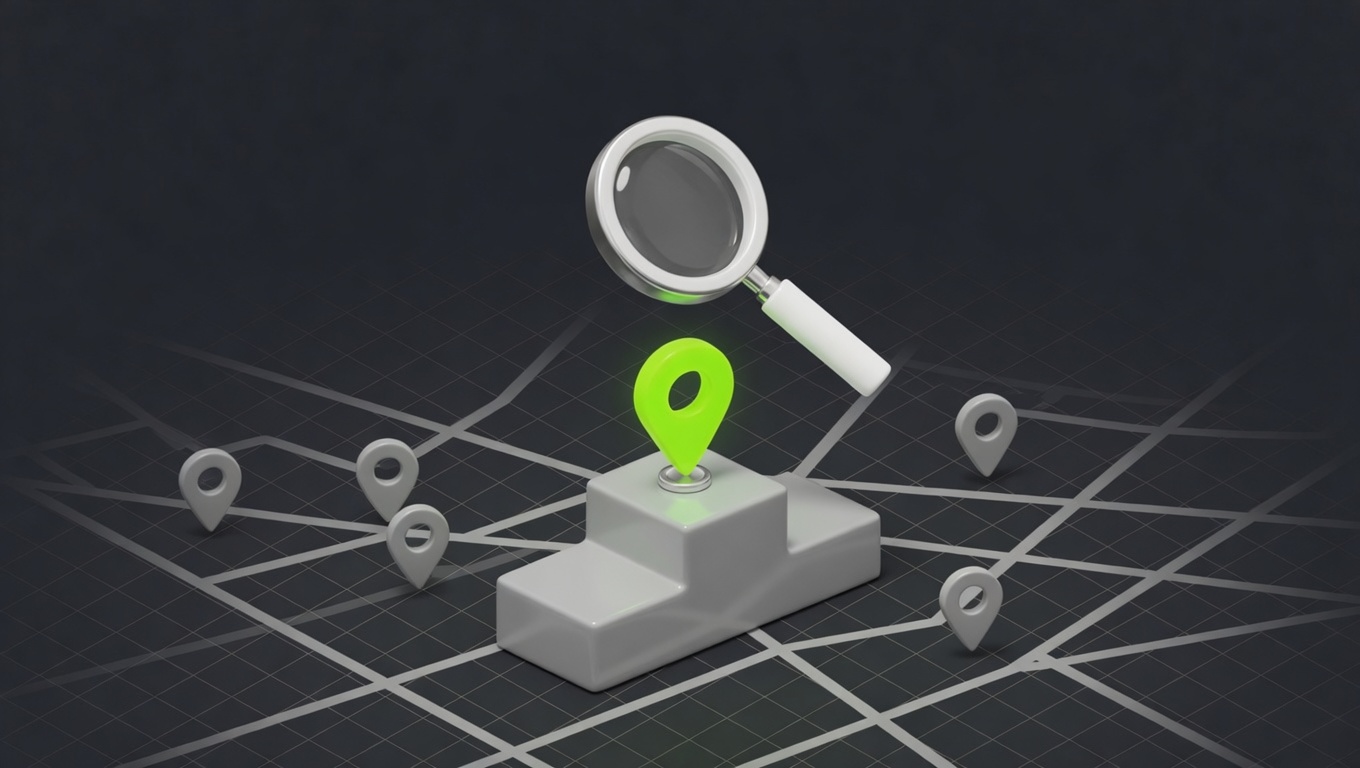
For a local business, there's one piece of digital real estate that matters more than any other: the three listings in Google's Map Pack. When someone searches "emergency plumber near me" or "best hair salon in Denver," that box of three businesses with a map sits above everything else and soaks up the clicks and calls. Rank there and the phone rings; sit on page two and you're effectively invisible. The good news is that the map pack rewards things you can actually control, and faster than traditional SEO. Here's how to win it in 2026.
Why the map pack is the whole game for local
Local search behaves differently from informational search, and that difference is your opportunity. When someone has local intent, Google shows the map pack first because that's what the searcher wants: nearby businesses they can call, visit, or book right now. There's no AI answer that satisfies "plumber near me"; the person needs an actual plumber. That's why, as we covered in SEO in 2026, local intent is one of the most durable, click-driven corners of search even as AI eats informational queries. The map pack is where local money is won.
What actually ranks you
Local ranking comes down to a handful of factors, and knowing their priority order tells you where to spend effort. Here they are, roughly most to least impactful:
What ranks you in the map pack
The local ranking factors that matter in 2026, roughly in priority order.
A complete Google Business Profile
Every field filled, correct category, services, hours, photos. An incomplete profile can't rank; this is the price of entry, not an advantage.
Reviews: volume, rating & recency
Quantity, average score, how recent, and how you respond. Steady, recent reviews are one of the strongest signals you control.
Proximity & relevance
How close you are to the searcher and how well your profile matches the query. You can't move, but the right category and services boost relevance.
NAP consistency
Name, address, phone identical everywhere online. Inconsistent details confuse Google and quietly suppress your ranking.
Local citations & directories
Listings on relevant directories and platforms with consistent NAP. They reinforce that you're a real, established local business.
Localized website content
Service and location pages on your site that match local intent. Your website still feeds your map ranking.
GBP activity: posts & photos
Regular posts, fresh photos, answered questions. An active profile signals a live business and keeps you visible.
Website authority & speed
A fast, credible site linked from your profile supports the whole picture. Core Web Vitals and trust still matter underneath.
The strategic read: proximity you can't change, but everything else you can. A complete, active profile with strong recent reviews and consistent details will beat a closer competitor who's neglected theirs. The map pack rewards the business that treats its presence as a living thing.
Your Google Business Profile is the foundation
Before anything else, your Google Business Profile has to be complete and active; an incomplete profile simply can't rank. "Complete and active" means:
- Every field filled: accurate primary category (this one matters a lot), services, hours, attributes, and a natural description.
- Lots of real photos: genuine photos of your work, team, and premises, and add new ones regularly.
- Regular posts: offers, updates, news. An active profile signals a live business.
- Questions answered and every review responded to.
Treat the profile as a mini-website you tend weekly, not a listing you set once. The businesses winning the map pack are the ones actively working it.
Reviews: your biggest controllable lever
After profile completeness, reviews move the needle most, and they're entirely within your control. Google weighs volume, average rating, recency, and your responses. A business with 80 recent reviews and thoughtful owner replies outranks one with a dozen stale ones, and it also wins the human click: people choose the business that looks trusted. The takeaway is to make review generation a system, not an afterthought, which is exactly what our guide to getting more Google reviews covers in depth. Steady, recent reviews are one of the highest-ROI activities in all of local marketing because they lift ranking and conversion simultaneously.
NAP consistency: the silent ranking killer
Name, Address, Phone, identical everywhere online. This sounds trivial and is one of the most common hidden problems we find. An old address on a directory, a different phone format on Facebook, a slightly different business name on Yelp: each inconsistency creates doubt about whether you're one real, established business, and quietly suppresses your ranking. Audit your NAP across every listing and make them match exactly. It's tedious, unglamorous, and reliably effective.
Citations and local content
Two reinforcing layers:
- Local citations: consistent listings on relevant directories and platforms confirm you're a real, established local business and add authority. Citations are the local-specific slice of a bigger lever: see our guide to link building for small business SEO for how citations fit alongside real editorial backlinks in building domain-wide authority, not just map-pack trust.
- Localized website content: service and location pages on your own site that match local intent. Your website still feeds your map ranking, and it's where map-pack clickers land to decide. A fast, credible, conversion-focused site turns visibility into customers (the flip side of why websites don't convert). If you run a Chicago business, our web design and local SEO in Chicago page is built around exactly this kind of local intent. If you serve multiple cities or neighborhoods, that also means building real service area pages that rank instead of getting flagged as doorway spam, not just swapping the city name on one template.
A 30-day local SEO plan
- Week 1, Profile. Complete every field on your Google Business Profile, fix the primary category, add a batch of real photos.
- Week 2, NAP audit. Find every listing of your business online and make name, address, and phone identical everywhere.
- Week 3, Reviews system. Set up a simple, automated way to ask every happy customer for a review, and start responding to all existing ones.
- Week 4, Content & activity. Publish or improve your key local service pages, and start a regular cadence of GBP posts and photos.
Local SEO rewards consistency more than cleverness: do these four things and keep them up, and you climb.
Reviews are a ranking signal you manage, not just collect, and our roundup of reputation management software covers the tools that keep them flowing and monitored. Want to win the map pack in your area? Explore our local SEO service and automated review requests, see the results we've driven, or start with an SEO kickstart. We'll audit your profile, citations, and reviews and map exactly what's keeping you out of the top three.
The map pack isn't won with tricks. It's won by being the most complete, most reviewed, most consistent, most active local business Google can see, which is also, not coincidentally, the one customers most want to call.
FAQ
Questions, answered.
The local-ranking questions we get from service businesses.
The Map Pack (or 'local pack') is the box of three local business listings with a map that appears at the top of Google results for local-intent searches like 'plumber near me' or 'dentist in Austin'. It sits above the regular organic results and captures a huge share of local clicks and calls, because it shows exactly what a local searcher wants: nearby businesses with ratings, hours, and a call/directions button. Ranking in those three spots is the single highest-value goal in local SEO; it's where local customers actually act.
Three things drive it most: a fully complete and active Google Business Profile, strong reviews (volume, rating, and recency), and relevance/proximity to the searcher. Beyond those, consistent NAP (name, address, phone) across the web, local citations, localized website content, and regular profile activity all reinforce your ranking. You can't change your proximity, but you control the profile completeness, the reviews, the consistency, and the activity, and those are exactly the levers that move you into the top three.
Very. Reviews are one of the strongest signals you actually control. Google weighs review quantity, average rating, recency, and whether you respond. A business with 80 recent 4.8-star reviews and owner replies will generally outrank one with 12 old reviews, all else equal. Reviews also drive the human decision: even if you rank, people click the business that looks trusted. A steady stream of recent reviews is one of the highest-ROI local SEO activities there is; it helps ranking and conversion at the same time.
NAP stands for Name, Address, Phone, and consistency means they're identical everywhere your business appears online (your site, Google profile, directories, social). It matters because Google uses these details to confirm you're a real, single, established business. Inconsistent listings (an old address here, a different phone there) create doubt and quietly suppress your ranking. Auditing and fixing NAP across the web is unglamorous but one of the most reliable local SEO wins, because most businesses have inconsistencies they don't know about.
Faster than traditional SEO, often weeks to a few months for the map pack, because the levers (profile completeness, reviews, consistency) are things you can fix quickly and Google processes relatively fast. Completing and optimizing your Google Business Profile can show movement in weeks; building review volume and citations compounds over a few months. It's not instant, but local SEO typically rewards effort faster than competing for national organic rankings, which is part of why it's such good value for local businesses.
Yes, the map pack and your website work together. Google considers your website's relevance, authority, and speed when ranking your profile, and localized service/location pages reinforce what you do and where. Plus, once someone clicks your map listing, many land on your site to decide, so a fast, trustworthy, conversion-focused site turns local visibility into actual customers. Optimizing the Google Business Profile without a solid website behind it leaves results on the table; the two reinforce each other.
Complete every field (categories, services, hours, attributes), add lots of real photos, choose the most accurate primary category, write a keyword-natural description, keep hours current, post regularly, answer questions, and respond to every review. Treat it as a living mini-website, not a set-and-forget listing. The businesses that win the map pack treat their profile as an active channel (fresh photos, regular posts, fast review responses) because Google rewards signals of a live, engaged business and so do the customers reading it.
Local intent has actually held up well in the AI era. 'Plumber near me' still returns a map pack, not a zero-click AI answer, because the searcher wants to hire someone nearby, not read a definition. That makes local SEO one of the most durable channels in 2026. AI tools and Google's AI features increasingly surface local businesses too, and the same signals (a strong, consistent, well-reviewed profile) feed them. So local SEO isn't threatened by AI search; if anything it's a safer harbor than informational content that AI now answers directly.