You can describe a website to an AI tool and watch it build one in about ninety seconds. That demo is real, and it is why a lot of small business owners are asking whether they still need to pay anyone to build a site.
The honest answer in 2026: sometimes you do not, and sometimes using one will quietly cost you more than hiring help would have. The trick is knowing which situation you are in before you subscribe, not after.
What AI website builders are genuinely good at now
The tools have gotten good, and pretending otherwise is silly. From a single sentence you get a clean layout, first-draft copy, placeholder images, and a live page you can edit. For the right job, that is real value.
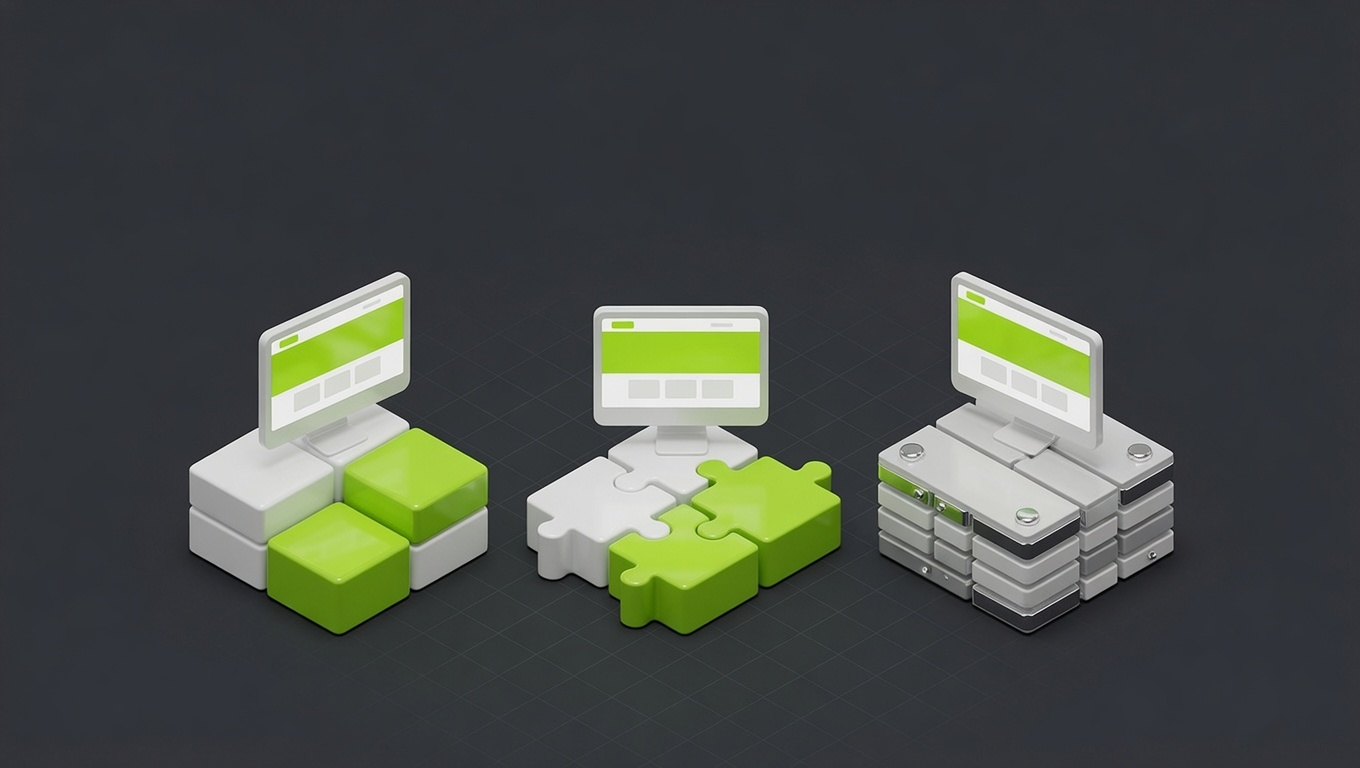
The market has split into three lanes, and it helps to know which one you are shopping in:
- Design-first builders like Framer and Webflow's AI aim at a polished marketing site or portfolio and keep the workflow visual.
- All-in-one business builders like Wix, Durable, Hostinger, and 10Web optimize for convenience: hosting, a domain, and basic business tools in one place.
- Code-first and app builders like v0, Lovable, Bolt, and Replit generate a site as part of building software, and they appeal to people who want the underlying code.
If you need a simple presence online fast and cheap, any of these can deliver. The problems start when the site has to do more than exist.
Where they quietly fall short
A site that looks finished is not the same as a site that works. An audit of five AI-built business sites in 2026 is a useful reality check. Across the five, the same gaps kept showing up: headings written for how they read rather than what they signal to search, broken heading hierarchy, robots.txt files missing or misconfigured, and sitemaps missing or broken on four or five of the five sites. Tag and category pages were getting indexed when they should not have been.
The most modern failure was the quietest. Three of the five sat behind a Cloudflare setting, switched on by default for new domains in July 2025, that blocks AI crawlers. The owners had no idea their content was invisible to ChatGPT, Perplexity, and Google's AI features. If you care about getting cited inside AI search, that default alone can erase you from it.
An AI builder gets you a website. It does not get you the website that out-ranks the three competitors already sitting on page one.
There is also a sameness problem. When thousands of sites are generated from the same models and templates, they start to look and structure alike, which is the opposite of what a brand trying to stand out needs. And the moment you want custom functionality, a real integration, or anything outside the template's lane, you hit a wall the builder was never designed to climb.
The price on the homepage is not the price you pay
Entry pricing is the bait, and it is genuinely low: Wix from about $17 a month, Framer and Durable around $15, Lovable from $20. Then the meter starts.
Watch for these before you commit:
- AI credits and tokens. Lovable's Starter plan includes a limited pool of monthly AI credits; run out and you buy top-ups. Bolt meters you in tokens, and the better models drain them faster. Most builders do not put the monthly allowance on the pricing page, so you discover the ceiling after you subscribe.
- Visitor caps. Some entry plans throttle traffic. Framer's lowest tier sits around 1,000 visitors a month, which a single good week can blow past.
- The extras. Domain renewals after year one, transaction fees on e-commerce sales, and a fee just to remove the builder's own branding from your footer.
None of this makes builders a bad deal. It makes "cheap" a claim worth checking over a full year, the same way you would with the real cost of a website.
Use an AI builder, or hire a studio?
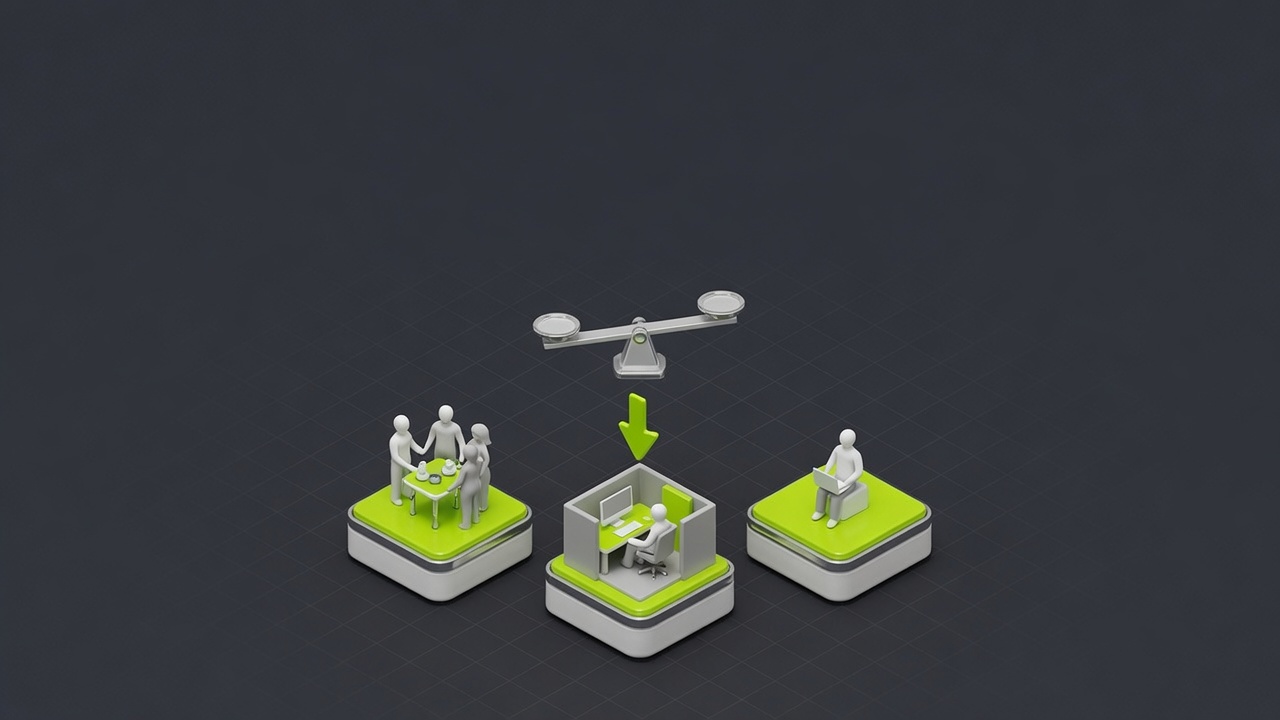
Both are right answers in 2026. Match the choice to what your website actually has to do.
Use an AI builder if…
You need something live this week
A launch page, an event site, a quick test of an idea. Speed matters more than ranking, and a clean template gets you online in an afternoon.
It's a simple brochure site
A handful of pages that say who you are and how to reach you. If you're not competing for search traffic, a builder handles this well.
Budget is tight right now
Entry plans run roughly $15 to $25 a month. If cash is the constraint and the stakes are low, a builder gets you a presence cheaply.
You'll redo it later anyway
You expect to rebuild once the business is proven. A builder is a fine placeholder you won't be precious about replacing.
Hire a studio if…
Search is a real growth channel
If you need to out-rank competitors who are already on page one, AI scaffolding alone won't get you there. That gap is human work.
You need custom features or integrations
Booking logic, a CRM connection, a members area, anything beyond the template. Builders cap out fast on real functionality.
The brand has to stand apart
When most AI sites share the same look, blending in is a cost. A distinct identity is the part AI is worst at.
You'll keep this site for years
If it has to grow with you, ownership, performance, and a clean codebase matter more than a fast first draft.
The lock-in question almost nobody asks
Here is the question to ask before you build anything: can I take this site and leave?
Some platforms let you export real code or push it to GitHub, so you genuinely own your output: Webflow, Lovable, Bolt, Replit, and 10Web (which is WordPress underneath). Others keep you on the platform with no clean exit: Wix, Squarespace, Durable, and Framer.
Watch for export that only looks like freedom. If the code you download still depends on the builder's proprietary runtime or components, it only runs on their platform. That is lock-in wearing an open-source costume. If you cannot host your front-end output somewhere else, you are renting, and the landlord sets the rent. This is the same ownership question that separates the platform choices behind every site, and it is the one owners regret skipping.
The approach that actually works
The smartest move in 2026 is rarely all-or-nothing. It is a split: let AI do the fast, cheap scaffolding, then bring a human in for the last mile.
That last mile is exactly the part AI is weakest at: a brand that does not look generated, a technical SEO setup that search engines and AI crawlers can actually read, performance tuned past a template default, the integrations your business runs on, and a codebase you own and can grow. AI compresses the first 80 percent of the work. The final 20 percent is where the site either earns customers or just sits there.
So use the builder when the job is simple, the stakes are low, and speed wins. Bring in help when the site has a real job: search traffic, custom features, a brand that has to stand apart, or a build you intend to keep for years. If you are weighing that second path, the questions to ask before hiring anyone will save you from the wrong partner as surely as the wrong tool.
So which should you pick?
Start with what the website has to do, not with what the tool can produce. An AI builder is a fast, cheap way to get online and a fine placeholder you will not mourn. A studio is what you hire when the site has to rank, convert, integrate, and last.
If you want the hybrid done right, a foundation built fast and finished by people who care about ownership and results, see our web design service, browse the systems we've built, or start with a starter website. Not sure which side of the line you fall on? Tell us what the site needs to do and we will give you an honest read, even when the answer is "use a builder for now."
The tools are good enough to start almost anyone. They are not yet good enough to finish the sites that have to win. Knowing the difference is the whole decision.
FAQ
Questions, answered.
What owners ask before they pick a tool.
For a simple brochure site, yes. AI builders like Wix, Framer, Durable, and Lovable can produce a clean, mobile-ready site from a description in minutes, and for a few pages that explain who you are and how to book you, that is genuinely enough. Where it breaks down is the last mile: competitive SEO, custom functionality, real integrations, and a brand that does not look like every other AI site. If those matter to how your business grows, AI gets you most of the way and a human finishes the job. The honest test is what the site has to do, not whether AI can produce one.
They are not doomed, but they are rarely set up correctly out of the box. An audit of five AI-built business sites in 2026 found broken heading hierarchy, missing or misconfigured robots.txt files, and missing or broken sitemaps on four or five of the five, with tag and category pages getting indexed by accident. Three of the five also sat behind a Cloudflare default, switched on in July 2025, that blocks AI crawlers, so ChatGPT, Perplexity, and Google's AI features could not read the content at all. AI builders cover the basics like meta tags and fast loading, and they rank fine for low-competition local terms. For anything competitive, you still need a real strategy and a human checking the technical setup.
More than the headline. Entry plans look cheap: Wix from about $17 a month, Framer and Durable around $15, Lovable from $20. The catch is usage. Lovable's Starter plan includes a limited pool of monthly AI credits, and you buy top-ups when you run out. Bolt meters you in tokens, and premium models burn through them faster. Some plans cap monthly visitors (Framer's entry tier sits around 1,000). On top of that you can hit domain renewals, transaction fees on sales, and a fee to remove the builder's own branding. Add it up over a year before you assume a builder is the cheap option.
Sometimes, and you should check before you commit, not after. Some platforms let you export real code or push to GitHub (Webflow, Lovable, Bolt, Replit, and 10Web, which is WordPress underneath). Others keep you on the platform with no clean way out (Wix, Squarespace, Durable, and Framer). Watch for export that only looks like freedom: code that still depends on the builder's proprietary runtime or components only runs on their platform. If you cannot download your front-end output and host it elsewhere, you are a tenant, and the landlord can change the price.
Hire help the moment your website has a real job beyond existing. If search traffic is how you get customers, if you need custom features or integrations a template cannot do, if your brand has to stand apart, or if you plan to keep and grow the site for years, those are the points where an AI builder starts costing you more than it saves. The best results usually come from doing both: let AI handle the fast first draft, then bring in a designer or developer for the last mile that AI is worst at.