You start looking for someone to build your website and you get handed four completely different price tags for what looks like the same job: $30 an hour, $10,000 flat, $17 a month, or a $75,000 salary line. None of those numbers is wrong. They are answers to four different questions, and the first job is figuring out which question you are actually asking.
The four paths small businesses actually choose between
A freelancer is one person, usually a designer or a designer-developer hybrid, working on your site as one project among several clients. You get direct access to the person doing the work, lower overhead than an agency, and a build that lives or dies on that one person's availability and skill.
A small studio or agency is a team: someone doing design, someone doing development, often someone handling SEO or copy. You pay more for that coordination, but you get more than one skill set and, usually, a support plan for after launch.
A DIY builder like Wix, Squarespace, or one of the newer AI-driven builders puts you in the driver's seat. You describe or drag together the site yourself on a monthly subscription, no one else touches it, and the tool handles hosting and the technical basics.
An in-house hire is a full-time employee who owns your web presence as their job, not a project. You are not paying per site anymore, you are paying an annual salary for someone who is always available and knows your business from the inside.
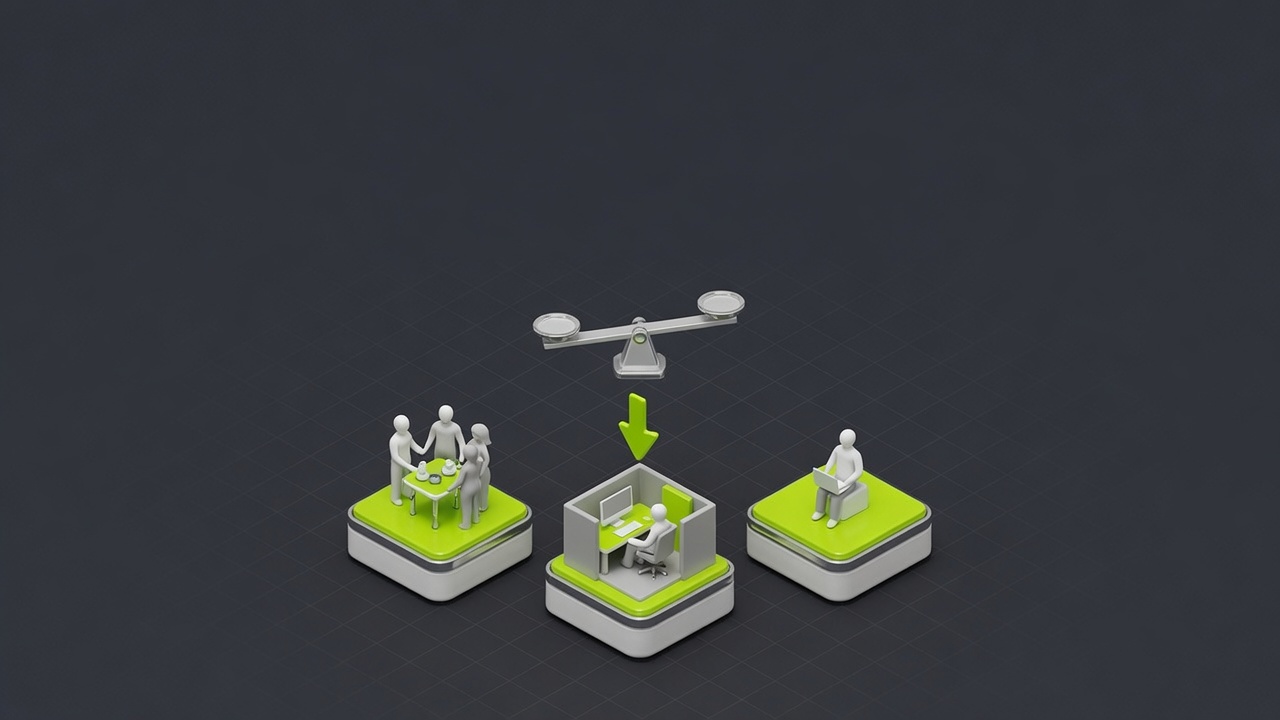
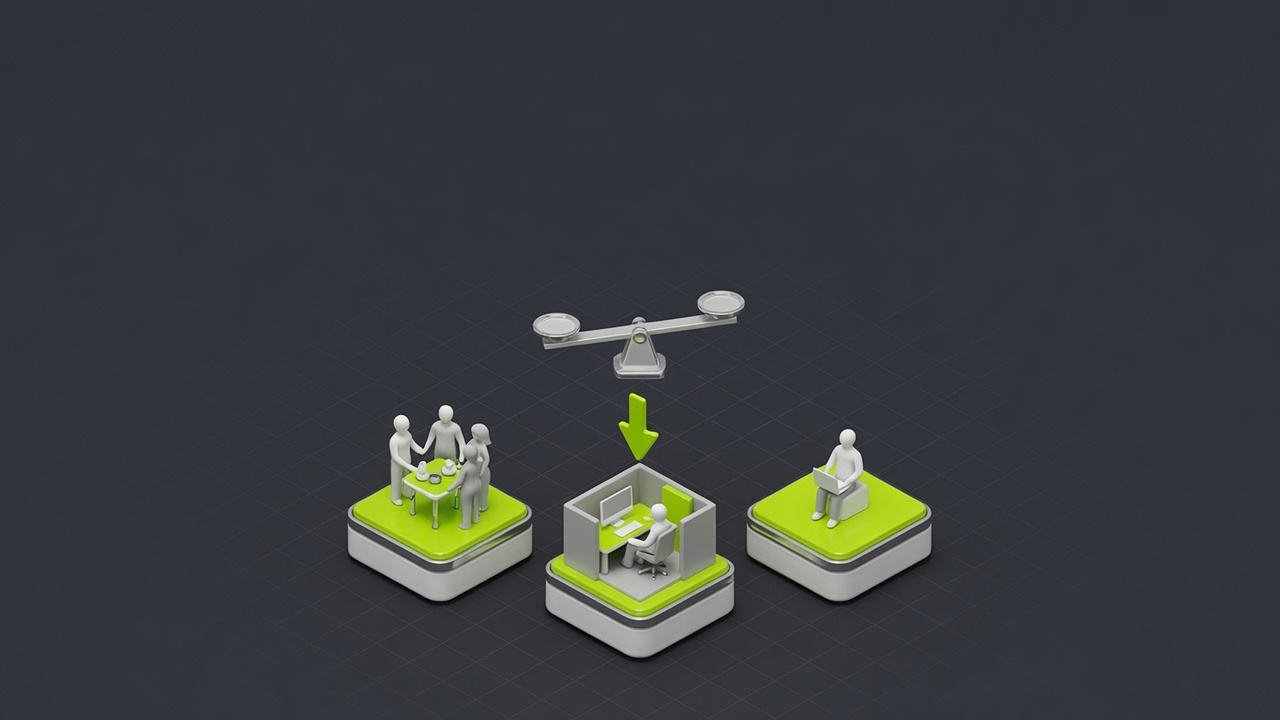
Each path also assumes a different kind of buyer. Freelancers suit someone comfortable managing one relationship directly and giving clear feedback. Studios suit someone who wants a single point of contact managing multiple specialists on their behalf. DIY builders suit someone willing to spend a few hours a month in an editor themselves. In-house hires suit a business where web work is frequent enough to justify a desk, a laptop, and a line item in payroll.
Real 2026 cost ranges, side by side
Here is what each path actually costs a US small business in 2026, based on current freelance marketplace data, agency pricing surveys, and salary reporting from Glassdoor and Payscale.
| Path | Typical cost | What drives the range |
|---|---|---|
| Freelancer | $30 to $85/hr, or $2,000 to $8,000 project flat | Experience level, whether it is a brochure site or e-commerce/booking functionality |
| Studio or agency | $5,000 to $15,000 project, or $300 to $800/mo managed | Team size, number of pages, SEO scope, ongoing support included |
| DIY builder | $16 to $99/mo on annual billing (Wix, Squarespace), higher on top e-commerce tiers | Plan tier, transaction fees, add-on apps |
| In-house hire | $68,000 to $101,000/yr base salary | Experience level; small businesses tend to land toward the lower half |
None of these numbers includes the real cost most owners forget: your own time reviewing drafts, writing content, and fixing whatever the cheapest option leaves broken.
A freelancer's hourly rate swings from about $20 for a junior designer to $150-plus for a specialist with a decade of experience, but most small businesses settle in the $50-to-$85 range for someone who can handle custom work without hand-holding. Agencies quote higher project totals because you are paying for a team, not a person, and because a real support plan is usually baked into the number.
The sticker price is rarely the whole bill, though. Builder plans add domain renewals (roughly $20 a year), transaction fees if you sell anything, and a fee just to remove the platform's own branding from your footer. Agencies sometimes quote a project fee that excludes hosting, stock imagery, or copywriting as separate line items. And an in-house salary is never just the salary: budget an extra 20 to 30 percent on top for payroll taxes and benefits before you compare it honestly against a monthly studio retainer.
What you get, and don't, at each price point
Price is only half the comparison. The other half is what happens after launch.
- Speed to live: a DIY builder wins here, often live the same day. A freelancer or small studio typically needs two to six weeks depending on scope; see how long a real website actually takes to build for a realistic timeline by project size.
- Ongoing maintenance: builders handle hosting and security patches for you. Freelancers and agencies vary, some include a maintenance plan, some do not, so ask before you sign anything.
- SEO and schema competence: this is where price gaps show up fastest. A generic builder template gets you the basics; a studio that actually understands structured data and technical SEO is worth the premium if search traffic matters to your growth.
- Redesign flexibility: custom-built sites from a freelancer or studio are easier to extend later. Builder sites are easier to tweak but harder to outgrow gracefully.
- Who owns the code and content: with a freelancer or studio, you typically own the codebase outright. With most builders, you are renting a platform, not owning a portable asset.
Which path actually fits you?
There is no universally right answer, only the right one for what your website has to do right now.
A freelancer or DIY builder fits if…
You need something live in days, not months
A launch page, a seasonal offer, a quick test of a new service line. Speed and low cost matter more than a polished brand system.
The site is a simple brochure
A handful of pages that say who you are, what you do, and how to reach you. You are not fighting for competitive search terms.
Budget is genuinely tight
A freelancer or a $16-to-$40-a-month builder plan gets you online without a five-figure commitment you cannot make yet.
You expect to rebuild once the business proves itself
This version is a placeholder. You will not be precious about replacing it in a year or two.
A studio or in-house hire fits if…
Search traffic is a real growth channel for you
If competitors are already ranking on page one, you need a strategy and technical execution that a template or a part-time freelancer rarely has time to deliver.
You need custom features or integrations
Booking systems, CRM connections, membership areas, anything past a template's built-in blocks. This is where solo and DIY paths cap out fastest.
Your brand has to stand apart
When most small business sites in your category look the same, a distinct identity is worth paying a team for.
You plan to keep and grow this site for years
Ownership of the code, a maintenance plan, and a partner who is still around at year three matter more than a fast first draft.
Which path fits which business
Match the choice to four things: team size, technical comfort, budget, and how fast you need to launch.
A solo owner with a tight budget and a simple offer usually does best with a freelancer or a DIY builder, whichever matches their comfort with hands-on editing. A growing business with two or more people who touch the website, a real content or product pipeline, and search traffic as a genuine acquisition channel is usually better served by a studio, because the coordination overhead starts paying for itself. An in-house hire only pencils out once web work is close to a full-time job on its own; below that, you are paying a $68,000-plus salary for part-time output.
Budget is the fastest filter. If you cannot clear $2,000, start with a builder and plan to upgrade. If you have $5,000 to $15,000 and want it done once, properly, a studio is the more defensible spend; see the real breakdown of what a website costs in 2026 before you commit to a number.
Technical comfort matters more than owners usually admit. If editing a builder's drag-and-drop interface sounds like a chore you will keep putting off, that alone is reason enough to pay someone else, no matter how small the budget. A site that never gets updated because the owner dreads logging in costs more in lost trust than any hourly rate would have.
Red flags regardless of path
Whichever path you pick, walk away from anyone who shows these signs:
- No contract or written scope before work starts.
- No live examples of sites they actually built, only screenshots or mockups.
- They disappear after launch with no plan for who updates the site next.
- Vague answers about who owns the final code, content, and domain.
- Pressure to sign the same day, especially paired with a "limited time" discount.
These apply just as much to a freelancer on a marketplace as to an agency with a polished pitch deck.
Once you've picked a lane
If you have landed on "agency or studio," the next decision is vetting one specific partner, not the category. How to choose a web studio has the 14 questions worth asking before you sign anything.
If you have landed on "DIY builder," it is worth understanding exactly where these tools are strong and where they quietly cost you later: see AI website builders vs hiring a studio for the SEO and lock-in tradeoffs that rarely show up on the pricing page.
And if you are still torn between paying an outside partner project by project versus bringing the work in-house long term, when to hire an agency vs in-house walks through the breakeven point in more detail.
One more caution: "best web design company for small business" lists are everywhere, and most are built from submitted listings or SEO, not verified results. Use them to find names, not to make the decision. The vetting still has to happen yourself.
So which should you pick?
Start with what the website has to do, not with what looks cheapest today. A DIY builder or a freelancer gets a real business online fast and affordably. A studio or an in-house hire is what you pay for when the site has to rank, convert, integrate, and keep working for years without you thinking about it.
If you want a partner who builds it right the first time, see our business website service, browse the systems we've built, or tell us what your site needs to do and we will give you an honest read, even when the honest answer is "start with a builder for now."
Whichever path you pick, the goal is the same: a site that earns you customers, not one that just exists.
FAQ
Questions, answered.
What owners ask before they hire anyone.
It depends entirely on which path you pick. A freelancer typically runs $30 to $85 an hour or $2,000 to $8,000 for a full small business site. A studio or agency project usually lands between $5,000 and $15,000, with many also offering a monthly managed plan around $300 to $800. A DIY builder like Wix or Squarespace runs $16 to $99 a month on annual billing. An in-house hire is a salary decision, not a project fee: roughly $68,000 to $101,000 a year for a US-based web developer, before benefits and management time.
Use a freelancer when the job is one person's worth of work: a brochure site, a redesign, a focused project with a clear scope. Use a studio or agency when the job needs more than one skill set at once, design, SEO, development, and ongoing support, especially if the site has to keep evolving after launch. Freelancers are usually cheaper and faster to start with; agencies carry more accountability and bench strength if something breaks or the scope grows.
For a simple brochure site, often yes. Tools like Wix, Squarespace, and newer AI builders produce a clean, mobile-ready site in an afternoon for $16 to $99 a month. Where they fall short is competitive SEO, custom functionality, and a brand that does not look like every other site built on the same templates. If you are not fighting for search rankings and do not need custom features, a builder is a legitimate, defensible choice, not a compromise.
Usually once the website work is steady enough to fill most of a role: frequent content updates, ongoing campaigns, a product catalog that changes weekly, or enough technical requests that you are paying an outside partner every month anyway. Below that threshold, a studio's monthly plan or a freelancer on retainer almost always costs less than a $68,000-plus salary plus benefits and management overhead.
Treat them as a starting list, not a verdict. Most ranking lists are built on submitted listings, affiliate relationships, or SEO rather than verified outcomes. The more useful test is the one you run yourself: ask any studio or freelancer on the list for live sites they built, not screenshots, and check who actually owns the code and content once the contract ends.