"We need an app." It's one of the most common, and most expensive, assumptions a business can make. Sometimes it's exactly right. Far more often, what the business actually needs is a web app or a PWA at a fraction of the cost, and the native app would sit unopened on the home screen. The three options look similar to a customer but differ enormously in cost, capability, and maintenance. Here's the honest breakdown so you build the right one instead of the most impressive-sounding one.
The three options, plainly
These terms get used loosely, so let's be precise about what each actually is and who it's for:
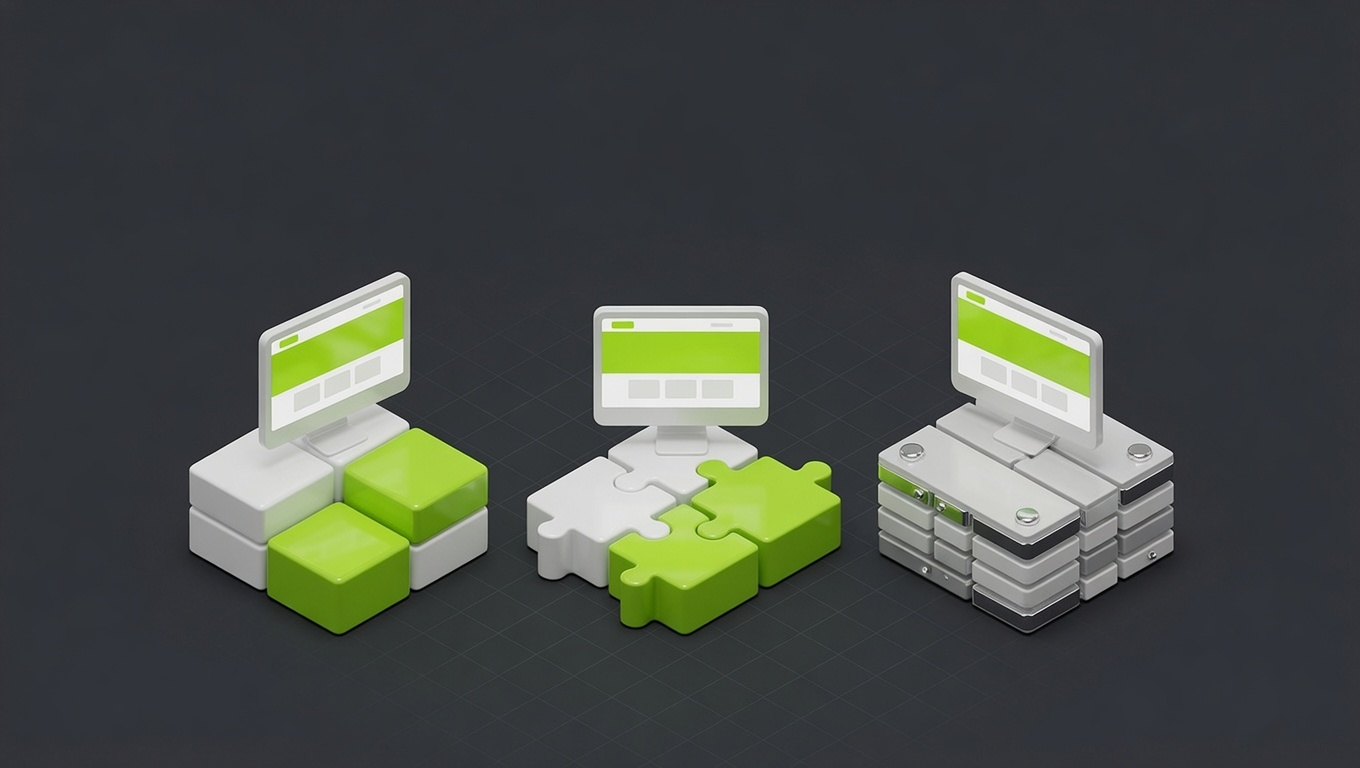
Native app vs web app vs PWA
Same questions for each: what it is, strengths, limits, who it's for.
Native mobile app, in the App Store
What it is: a real app downloaded from the App Store / Google Play, built for the device. Strengths: full access to device features (camera, GPS, push, offline), best performance, an icon on the home screen, store discoverability. Limits: highest cost and time, app-store approval and fees, you maintain two platforms (iOS + Android) or use cross-platform tools. Best for: products used often where performance and device features matter, and where being in the store is part of the value.
The quick mental model: native for deep device features and top performance, web app for most software, PWA for an app-like experience at web-app cost. Notice that two of the three run on the web, because for most businesses, the web is the right answer.
Why "we need a native app" is usually wrong
The instinct to build a native app is often about prestige ("real businesses have an app") rather than need. But a native app is the most expensive to build, the most expensive to maintain (you're supporting iOS and Android, plus app-store overhead), and the hardest to update (every change waits on app-store approval). You should pay that premium only when you genuinely need what native uniquely offers:
- Deep device features: heavy camera/GPS use, reliable offline, rich push notifications.
- Top performance: games or intensive tools where every millisecond counts.
- App-store presence: when being in the store is part of how customers find or trust you.
If your product is essentially a tool, dashboard, portal, or content experience, which most are, a web app or PWA serves customers better for far less. (This is the same "match the build to the actual need" logic as choosing a website platform.)
The web app: the right answer for most software
A web app runs in any browser: no download, one codebase for every device, instant updates, no app store. For the vast majority of business software (customer portals, internal tools, dashboards, most SaaS), it's the obvious choice: cheaper to build, cheaper to maintain, and instantly accessible to anyone with a link. The old idea that "real" software needs to be a native app is outdated, because modern web apps deliver excellent experiences, including on mobile.
The PWA: the underrated middle path
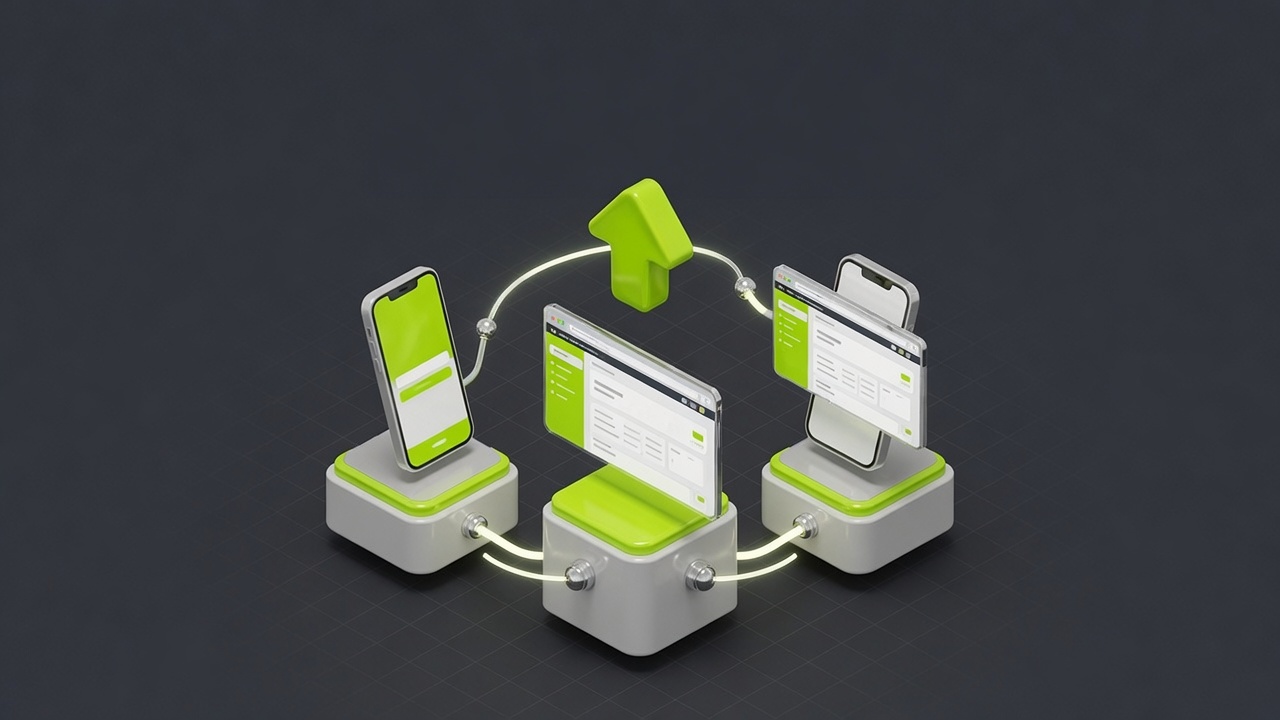
Here's the option most businesses don't know to ask for. A progressive web app is a web app enhanced to behave like a native one. Users can install it to their home screen, it works offline, and it can send push notifications, all without the app store, at roughly web-app cost. For a business that wants an app-like experience (home-screen icon, offline, push) without native development cost and overhead, a PWA is often the smartest choice. It won't match native's deepest device access or store discoverability, but for many use cases it's close enough and a far better deal.
How to choose (without overbuilding)
Start from need, not from "we should have an app":
- Need deep device features or top performance? → Native.
- Is app-store presence core to discovery/trust? → Native.
- Mainly need a tool, portal, or content experience everywhere? → Web app.
- Want an installable, app-like experience without native cost? → PWA.
Build the least complex option that genuinely meets your need. And if you do go native, cross-platform frameworks (React Native, Flutter) let you build largely one codebase for both iOS and Android rather than maintaining two. (Cost over time matters here as much as it does for a website, and native carries the heaviest ongoing maintenance.)
Not sure which you need? Explore our mobile app and web app services, see the products we've built, or book a call. We'll tell you honestly whether your idea needs native, a web app, or a PWA, and steer you away from overbuilding.
The best app decision is usually the least complex one that does the job. Native is powerful and sometimes essential, but for most businesses, a web app or a PWA delivers what customers actually need without the cost, the app-store overhead, or the icon nobody taps.
FAQ
Questions, answered.
What businesses ask before building an app.
A native mobile app is downloaded from the App Store or Google Play and built for the device: best performance and full device access, highest cost. A web app runs in any browser with no download, giving you one codebase, instant updates, far cheaper, but limited device access. A PWA (progressive web app) is a web app enhanced to feel like an app: installable to the home screen, works offline, can send push notifications, but without the app store. In short: native for deep device features, web app for most software, PWA for an app-like feel at web cost.
For most businesses, a web app (or PWA) is enough, and cheaper, faster, and easier to maintain. You genuinely need a native app when you require deep device features (heavy camera/GPS use, reliable offline, rich push), when top performance is critical (games, intensive tools), or when being in the App Store is itself part of your value and how customers find you. If your product is essentially a tool, dashboard, portal, or content experience, a web app or PWA usually serves you better for a fraction of the cost. Don't build native by default. Build it when you have a specific reason.
For many use cases, close enough, and a much better deal. A PWA gives you an installable, home-screen, offline-capable, push-enabled app experience at web-app cost, with one codebase and instant updates (no app-store approval). Where native still wins is the deepest device integration, the absolute best performance, and app-store discoverability. For a business that wants customers to have an app-like experience without the cost and overhead of native development, a PWA is often the smart middle path. For a performance-critical product or one that lives on device features, native is still worth it.
It varies enormously by type. A native app is the most expensive, since you're building for iOS and Android (or using cross-platform tools) plus app-store overhead, so meaningful builds run well into five figures and up. A web app is considerably cheaper because it's one codebase for all devices. A PWA costs roughly the same as a web app while adding app-like features, which is a big part of its appeal. As with any build, judge total cost over time (including maintenance and updates). Native carries the highest ongoing burden because you maintain multiple platforms.
Yes. A well-built web app is fully responsive and works on any phone's browser, and a PWA goes further by letting users install it to their home screen and use it offline, so it feels like a native app. The idea that you need a native app to have a good mobile experience is outdated; modern web apps and PWAs deliver excellent mobile experiences without a download. The question isn't 'can it work on phones' (it can) but 'do you need the specific things only native provides', which, for most businesses, you don't.
Rarely from scratch anymore. If you do go native, cross-platform frameworks (like React Native or Flutter) let you build largely one codebase that runs on both iOS and Android, cutting the cost of maintaining two separate native apps. And if you don't strictly need native, a web app or PWA sidesteps the whole iOS-vs-Android question entirely: one codebase runs everywhere with a browser. Building two fully separate native apps is now usually only justified for performance-critical products with the budget to match; most businesses should use cross-platform or stay on the web.
Start from what you actually need, not from 'we should have an app.' Ask: do you need deep device features or top performance (lean native)? Is app-store presence part of how customers find or trust you (lean native)? Do you mainly need a tool, portal, or content experience accessible everywhere (web app)? Do you want an app-like, installable experience without native cost (PWA)? For most businesses the honest answer is a web app or PWA, with native reserved for cases with a specific, justified need. Build the least complex option that genuinely meets your need.
It's overkill far more often than people expect. Many businesses ask for a 'mobile app' when a responsive website or web app would serve customers better and cost a fraction. An app is worth it when customers use it frequently and repeatedly (so a home-screen icon earns its place), when you need device features or offline use, or when it's core to your product. If you're hoping an app will drive engagement that your website can't, fix the web experience first. A rarely-opened app on the home screen helps no one. Build an app when there's a real, repeated use case, not for prestige.