Monthly design subscriptions went from niche to everywhere, and the marketing makes them sound universally brilliant: "unlimited design, one flat fee, pause anytime." For the right business, they genuinely are excellent value. For the wrong one, they're a monthly bill for capacity you don't use. The honest answer, like most things, is it depends on your situation, and this article makes that dependency concrete: what the model actually is, when it beats the alternatives, and when you should buy a one-off project instead.
What subscription web design actually is
Strip away the "unlimited" marketing and here's the real model: a flat monthly fee for ongoing design and (usually) development work, delivered on a rolling request basis. You submit what you need (a landing page, a new section, campaign assets, site updates) and get them back on a predictable turnaround, typically with a set number of active requests at a time. You can scale up, scale down, or pause when work is quiet.
The key word is ongoing. A subscription isn't really built to deliver one giant project; it's built to be a steady stream of focused work, a design-and-dev team on tap. That single fact determines whether it's right for you.
When it works and when it doesn't
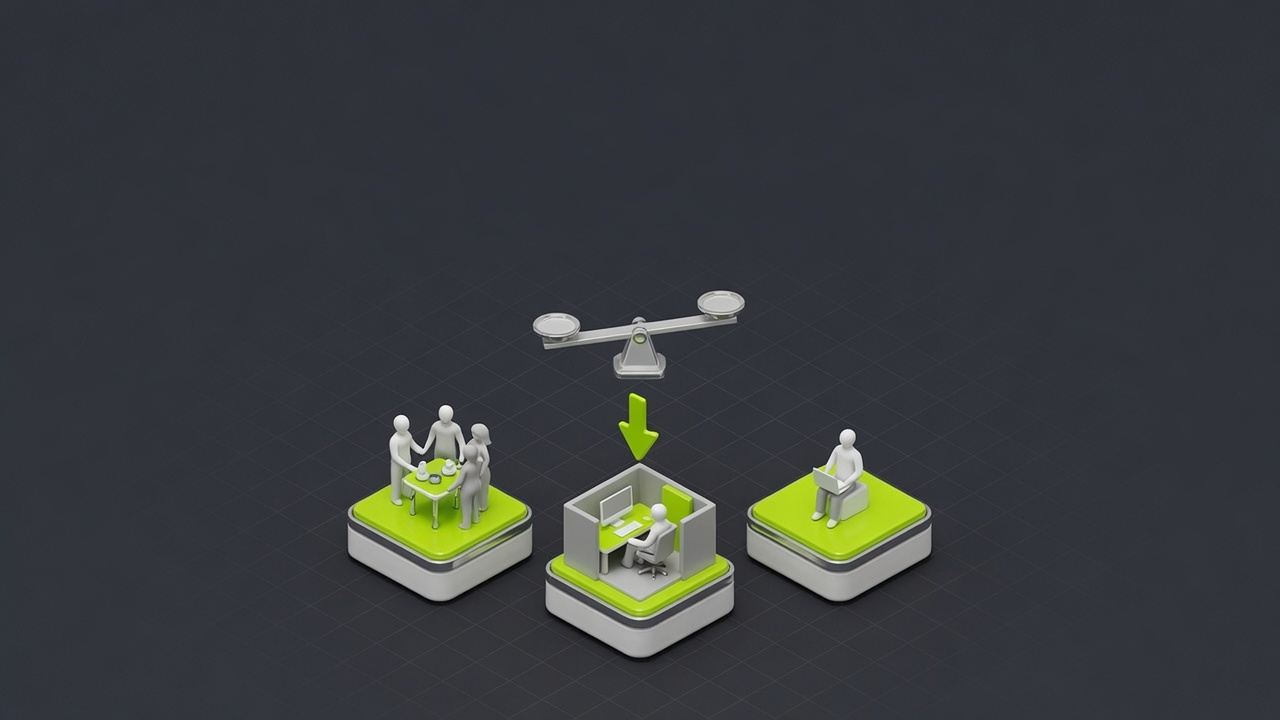
This is the whole decision in one comparison. Be honest about which column you're in:
When subscription design works, and when it doesn't
It's a great fit for some businesses and a waste for others. Know which you are.
It works when…
You have ongoing design needs
Regular landing pages, campaigns, new sections, A/B tests. A steady stream of work keeps a subscription busy and worth it.
You're in a growth phase
Things change weekly: offers, messaging, pages. You need design velocity without hiring a full-time designer.
You value speed & flexibility
Submit requests, get fast turnarounds, pause or scale as needed. No recruiting, no salary, no idle designer.
You can't justify a full-time hire
Not enough work for a salaried designer, but too much for ad-hoc freelancers. The subscription fills exactly that gap.
It doesn't when…
You have a single one-off need
One website, then nothing for months. A fixed-scope project is cheaper and cleaner; don't rent what you can buy once.
Your needs are sporadic
A tiny tweak every few weeks won't fill a subscription. You'll pay for capacity you don't use.
You need deep, dedicated context
A complex product needing a designer fully embedded in your team may be better served by a hire than a shared queue.
You want it cheapest, period
If a one-off project covers your needs for a year, that's the lower total cost. Subscriptions earn their keep on volume.
If you're on the left (continuous needs, growth phase, value speed, can't justify a full-timer), a subscription is some of the best value in the market. If you're on the right (a single build, sporadic tweaks, want the lowest possible cost for a finite need), buy a one-off project instead. There's no shame in either; the mistake is forcing the wrong one.
Subscription vs hiring vs one-off project
Three ways to get design done, three different fits:
- One-off project: best for a defined, finite need. Build the site, you're done. Lowest total cost for that scenario. Most studios sell these as fixed small-business website packages with a set scope and a set price.
- Subscription: best for continuous, varied work. Standing capacity without re-scoping every task. A team's range of skills for less than one salary, pausable and scalable.
- In-house hire: best when volume is high and constant and you need someone deeply embedded. Full context, full salary, full management.
Most growing businesses actually move through these: a project to build the foundation, then a subscription to grow and maintain it, then maybe a hire once volume justifies it. (We break down the broader build-vs-buy decision in agency vs in-house vs freelancer.)
The real cost question: utilization
Here's the lens that cuts through the pricing confusion. A subscription's value is all about utilization. The fee is flat; the value depends on how much you actually produce. Keep it busy with continuous work and the effective cost per deliverable is excellent, far below freelance project rates and well under a salary. Use it occasionally and you're paying for idle capacity.
So don't ask "is the monthly fee cheap?" Ask "will I produce several pieces of real work a month?" If yes, the subscription is strong value. If no, you've answered your own question: buy the project.
How our Operate subscription works
For businesses on the left side of that comparison, our Operate model is exactly this: continuous design and development on a flat monthly subscription. You get steady capacity for landing pages, new sections, updates, campaign assets, and ongoing optimization, with fast turnarounds and the flexibility to pause when you're quiet. It's built for growth-stage businesses that need design velocity without hiring a full-time team, and it pairs naturally with a project build up front: build the foundation, then keep it growing.
See the work we produce, explore the Operate subscription, or book a call and we'll tell you honestly whether a subscription fits your volume, or whether you're a business that should just buy a one-off project. Either answer is fine; the point is matching the model to how you actually work.
The summary: subscription design is excellent for continuous, growth-stage needs and a waste for one-off ones. Figure out which you are, and the decision makes itself.
FAQ
Questions, answered.
What businesses ask before subscribing to design.
It's a monthly retainer model where you pay a flat fee for ongoing design and development work: submit requests, get them delivered on a rolling basis, and pause or cancel when you don't need it. Instead of scoping and quoting each project, you get continuous design capacity for things like landing pages, new sections, campaign assets, and updates. Think of it as a design-and-dev team on tap, sized for businesses that have steady work but not enough to justify a full-time hire.
It's worth it if you have ongoing, recurring design needs (regular landing pages, campaigns, site updates, tests) and you're in a phase where things change often. In that case it's faster and cheaper than hiring, with no recruiting or idle salary. It's NOT worth it if you have a single one-off need (a one-time website) or only sporadic tiny tweaks; a fixed-scope project is cheaper for that. The honest test: do you have enough continuous work to keep a subscription busy? If yes, it's great value; if no, buy the project.
A subscription gives you a team's range of skills (design, dev, sometimes copy) for less than one senior salary, with no recruiting, benefits, ramp-up, or risk of a bad hire, and you can pause or scale instantly. An in-house designer gives you dedicated, deeply-embedded context and full-time availability, which matters for complex products with constant high volume. For most growth-stage small businesses that need velocity without a $90k+ commitment, the subscription wins; once volume justifies a full salary and you need someone embedded, hiring makes sense.
A one-off project is the right call when you have a defined, finite need: build the website, then you're done for a while. It's typically the lowest total cost for that scenario. A subscription wins when the work is continuous: instead of re-scoping and re-quoting every new landing page or update, you have standing capacity. Rule of thumb: one-off for a defined build, subscription for an ongoing stream of work. Many businesses do both: a project to build, then a subscription to grow and maintain.
It varies by provider, but typically: design and (often) development work delivered on a rolling request basis. Landing pages, website updates, new sections, campaign and social assets, and sometimes copy and optimization. You usually get a defined number of active requests at a time, fast turnarounds, and the ability to pause. What's NOT usually included is huge one-shot builds like a full custom platform; subscriptions are built for a steady flow of focused work, not a single massive project. Always confirm exactly what's in scope before signing.
With most good providers, yes; the ability to pause is one of the model's main advantages. If you have a quiet month, you pause and stop paying, then resume when work picks up. This flexibility is a big part of why subscriptions beat hiring for variable workloads: you're never paying a salary during a slow stretch. Check the specific terms (notice periods, how pausing affects any banked time), but flexibility to pause and scale is core to how the model is supposed to work.
It varies widely by provider and scope, but the model is a flat monthly fee that's meaningfully less than a full-time senior designer's salary while giving you a team's range of skills. The value equation is utilization: if you keep the subscription busy with continuous work, the effective cost per deliverable is excellent; if you only use it occasionally, you're overpaying for idle capacity. Price it against what you'd actually produce in a month: if that's several pieces of real work, the subscription is strong value.
Growth-stage businesses with continuous design needs and no justification for a full-time hire: SaaS companies shipping landing pages, ecommerce brands running campaigns, agencies needing overflow capacity, and any business iterating quickly on its site and marketing. It's also great for teams that value speed and flexibility over having someone embedded. It's a poor fit for businesses with a single one-off need or very sporadic work. If your design needs are steady and varied but not full-time, the subscription is built for exactly you.